What Happens When There’s No Will: Lessons from the Probate Trenches
Why estate planning is an act of love your family will thank you for
I never imagined I’d spend so much time in probate court. But here I am—signing papers, chasing signatures, and sorting through legal mazes that feel more suited to a courtroom drama than real life. All because my parents didn’t have a will.
If you’ve ever thought estate planning is just for the wealthy or the elderly—or something you can put off until “later”—please let me be the cautionary tale that says: Don’t wait.
The Emotional Weight of “What Now?”
When my parent passed, grief wasn’t the only thing that showed up at the door. So did questions like:
- Who gets the house?
- What bank accounts exist—and who can access them?
- What happens to personal belongings when siblings disagree?
- Who is responsible for unpaid bills?
Without a will, there were no clear answers—only assumptions, tension, and the cold efficiency of probate court to sort it all out. The process takes time, money, and emotional energy that grieving families simply don’t have.
What Is Probate—and Why Is It So Complicated?
Probate is the legal process of administering a deceased person’s estate. If there’s no will, the court must decide how assets are distributed, based on state laws. This often means:
- Delays: It can take months—or even years—to resolve.
- Expenses: Court fees, attorney fees, and filing costs can stack up fast.
- Family Conflict: With no written instructions, family members may disagree on “what Mom or Dad would have wanted.”
And in the middle of all of that is someone—usually a child like me—trying to manage it all while still mourning the loss of a parent.
A Will Is More Than a Legal Document—It’s a Gift
Creating a will isn’t just a legal necessity. It’s a loving act of stewardship. It says, “I want to make this easier for the people I love.”
It can:
- Designate who receives what
- Name a guardian for children or dependents
- Appoint someone to handle your affairs
- Prevent disputes between family members
- Keep your estate out of the court system as much as possible
Beyond the Will: Why Full Estate Planning Matters
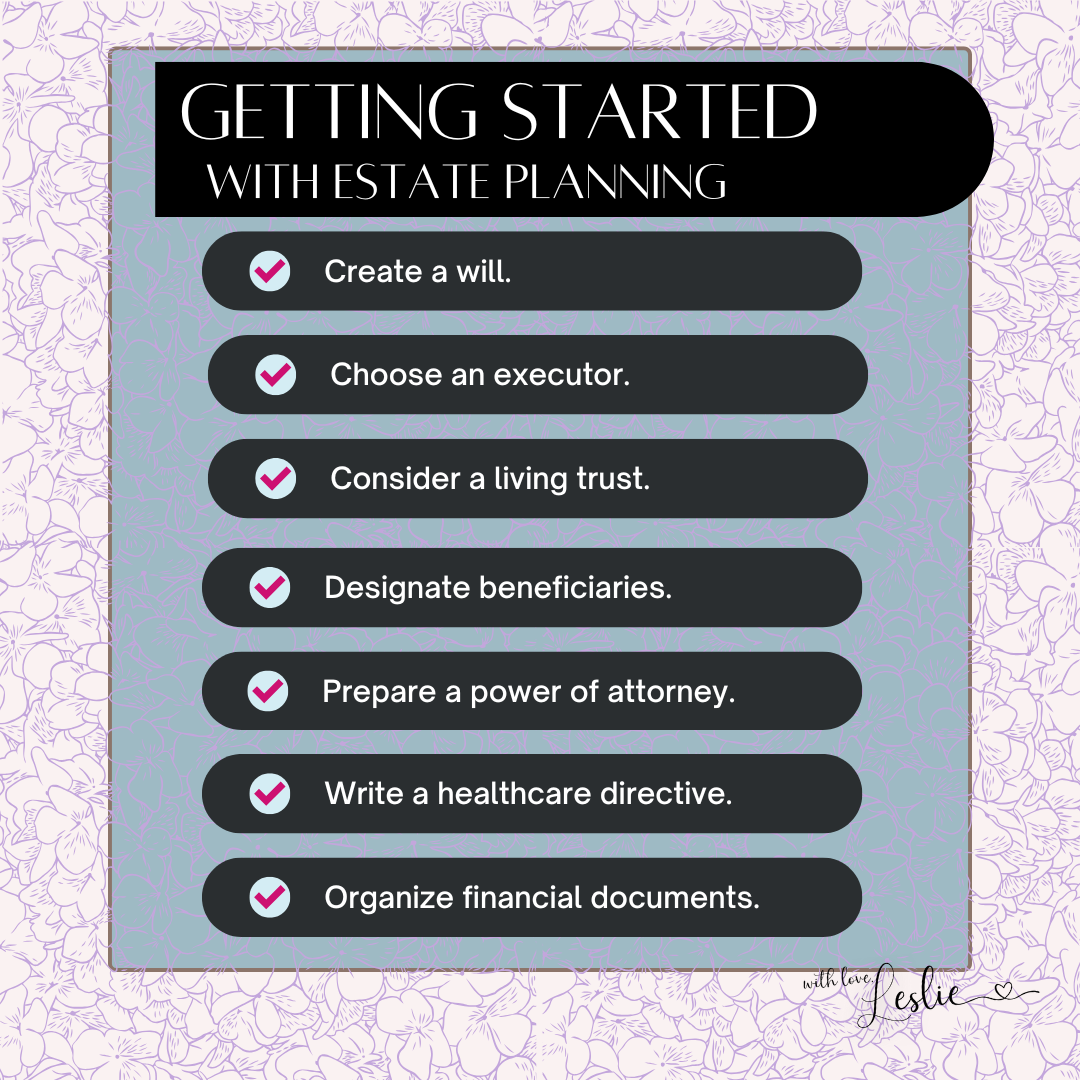
A comprehensive estate plan may include:
- Power of Attorney: So someone you trust can manage finances or medical decisions if you’re incapacitated.
- Healthcare Directive/Living Will: To outline your wishes for end-of-life care.
- Trusts: These can help bypass probate altogether and protect assets for minor children or heirs with special needs.
- Beneficiary Designations: On life insurance, retirement accounts, and bank accounts, which can override a will.
If that all sounds overwhelming—it is. But it’s nothing compared to the mess left behind when nothing is in place.
My Advice? Don’t Wait.
Whether you’re in your 30s or your 70s, whether you have a sprawling estate or just a checking account and a few treasured heirlooms—get your affairs in order. For your kids. For your spouse. For your own peace of mind.
And if you’re caring for aging parents? Start the conversation now. It might be awkward. It might be hard. But the alternative is worse.
Final Thought: Love Looks Like Preparation
As someone now navigating the legal fallout of a life not planned for, I can say with all my heart: A will is one of the most loving things you can leave behind. It won’t ease the grief—but it will ease the burden.
So take the step. Make the call. Download the form. Schedule the appointment. Whatever it takes—start today.
Your future self, and your family, will thank you.
Get your free estate planning checklist here.
As always, with love,